Gospel of Matthew

From Compassion to Repentance to Following, Matthew 4:12-22

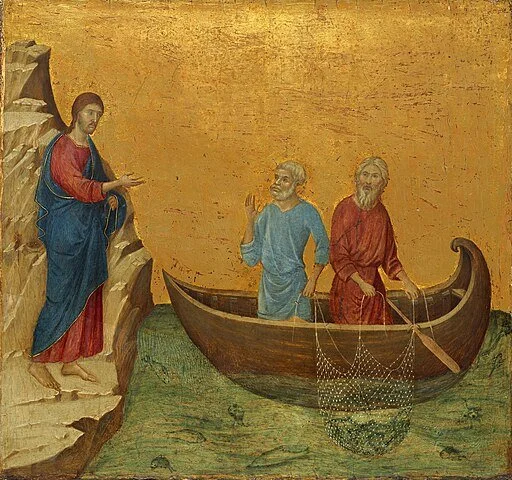
When Jesus begins his public ministry, he starts in the town of Capernaum after John the Baptist has been arrested. Why start here? Is there something unique about this place? How does Matthew’s reference to Isaiah 9 help us? Father Jeremiah walks us through this amazing moment in his sermon today.

Image: Duccio di Buoninsegna, Public domain, via Wikimedia Commons.

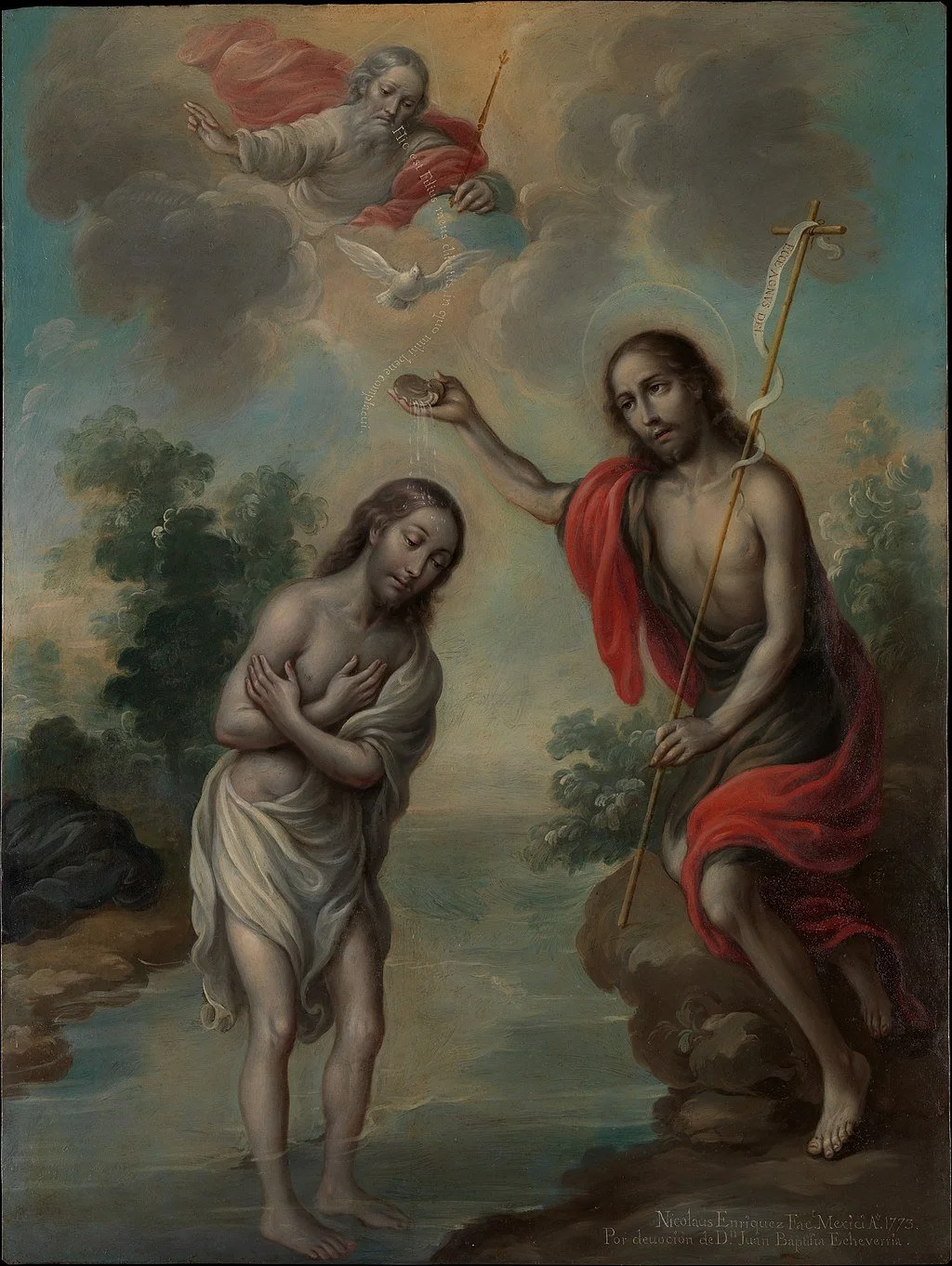
Your Baptism Matters Because of Jesus, Matthew 3:13-17

When Jesus was baptized by John in the Jordan River, he changed the meaning and the blessings of John’s baptism. As we are baptized into Christ, we receive the blessings of him being our representative and our substitute. Through that union with him, we receive life and salvation from the Father because the Spirit of God comes to be with us and we are adopted. We can now rejoice in the goodness and mercy of God the Father because Jesus was baptized and transformed baptism to be a gift and blessing to us.

Image: The Baptism of Christ, Nicolás Enríquez, CC0, via Wikimedia Commons

Quiet Faithfulness in Our Work, Matthew 1:18-25

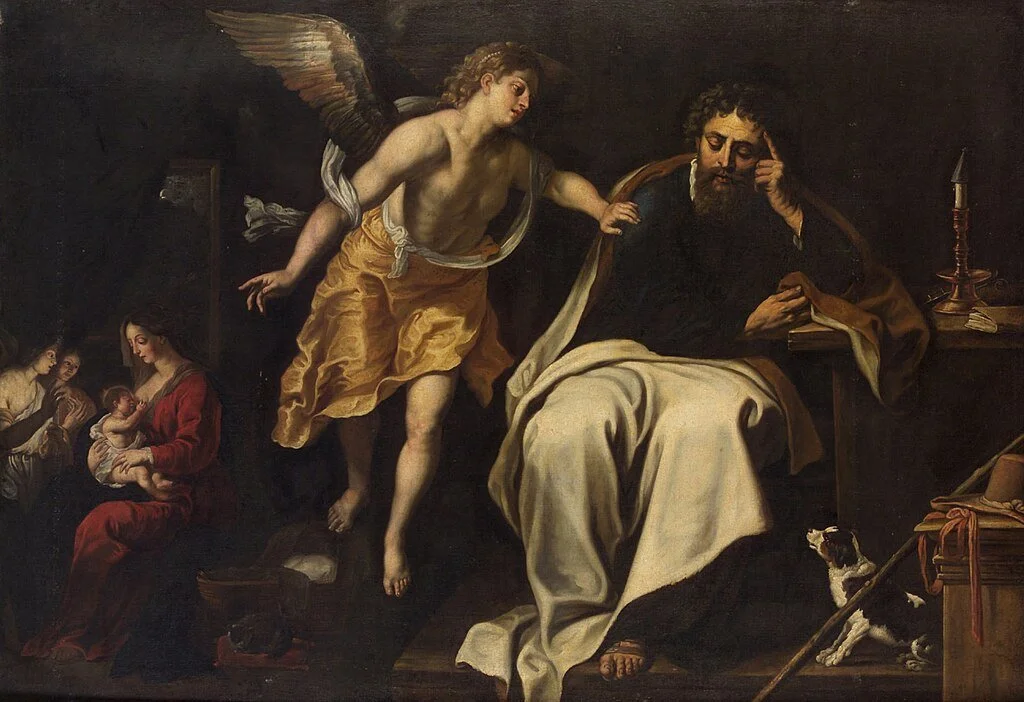
We don’t always think about St. Joseph very deeply at Christmas. Yet, he is an important part of the whole story. He was called by God the Father to raise Jesus as his son and to take care of him and Mary throughout his days. And then he vanishes from the text. His faithfulness was quietly executed and completed. What do we make of this? What can we do to reflect this kind of faithfulness?

Image: Gerard Seghers, Public domain, via Wikimedia Commons
Patience that Leads to Joy, Matthew 11, Isaiah 35, James 5

John the Baptist sends his disciples to ask Jesus if he is the one to come. John has found himself imprisoned while pursing obedience to the Lord. He has also wanted his disciples to leave him and follow Jesus. What are we to make of John’s question? Is he question Jesus’ messiahship? Or is he wanting his own disciples to hear from Jesus’ lips what he is doing? Either way, we are given encouragement to know the work of the Lord and how he continues to work in our own lives to change and renew us while we await his coming.

Image: The Beheading of St. John the Baptist, Pierre Puvis de Chavannes, Public domain, via Wikimedia Commons
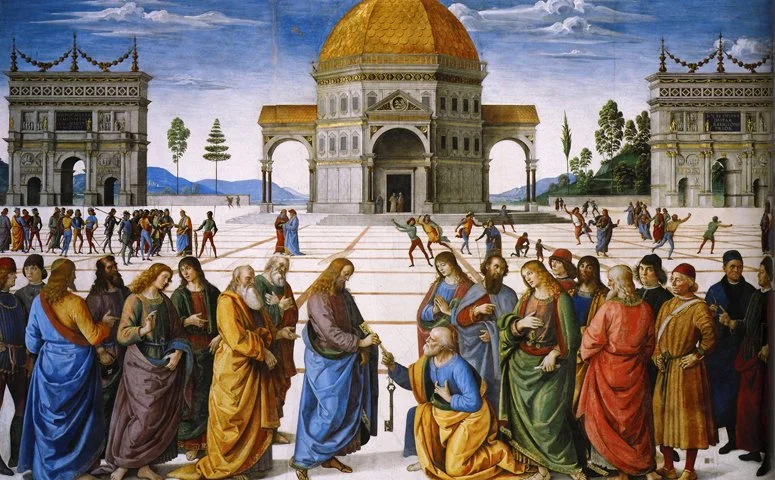
Repent for the Coming King, Isaiah 11, Matthew 3, Romans 15

When John the Baptist went out preaching repentance and baptism, even Pharisees and Sadducees took notice. They came out to hear him and to be baptized. But he called them out calling them a brood of vipers and wanting to know who warned them to flee the wrath to come! Many think that John is utterly rejecting them, but he is making sure they understand what they are doing. They think they are righteous, so why would they need repentance? But if they need repentance, then they are not really righteous! We need to be wary ourselves of thinking we are good to go in this life and must continually return to this call of repentance and need to bear fruit that reflects our repentance.

Image: St. John the Baptist Preaching, Mattia Preti, Public domain, via Wikimedia Commons
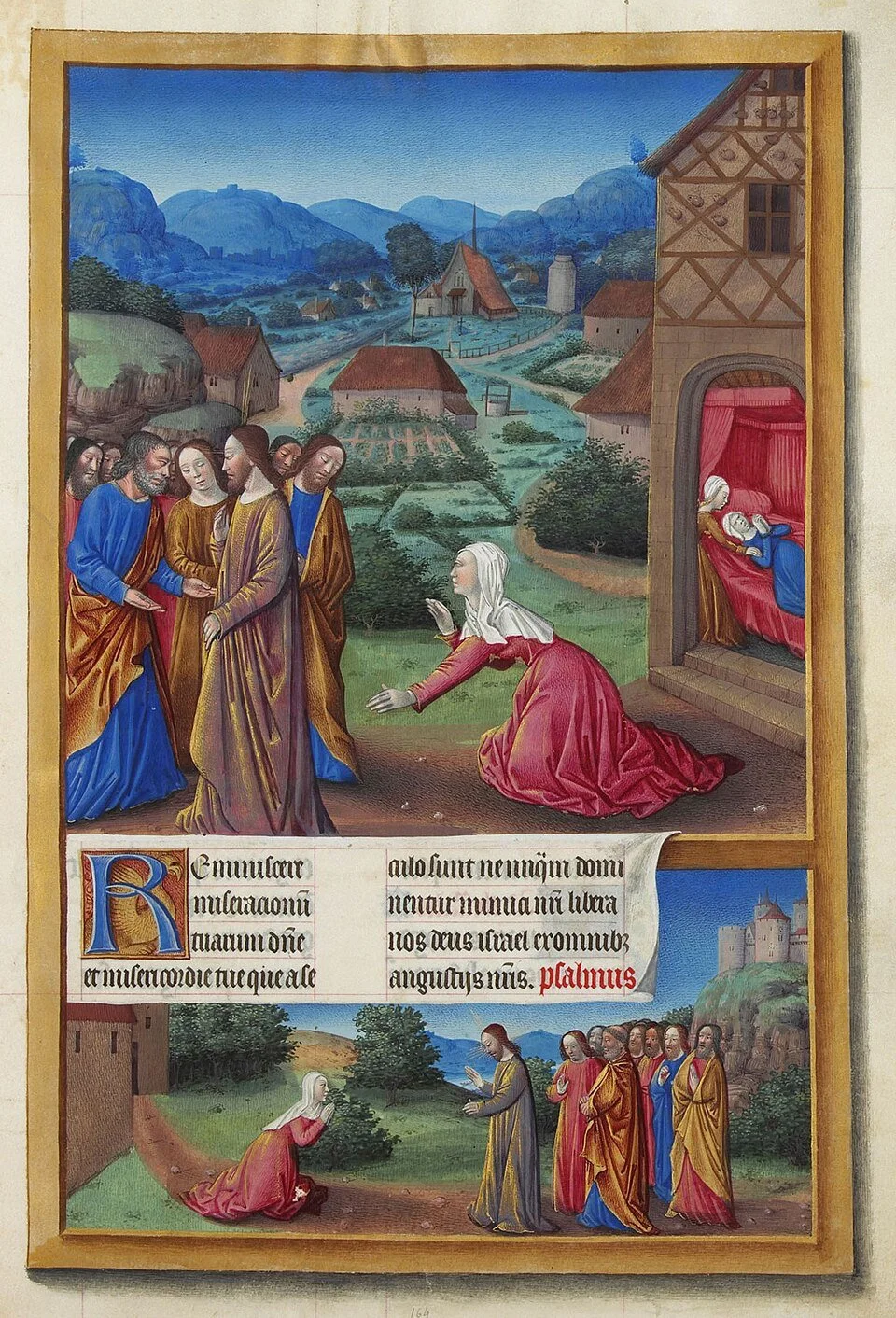
Where History is Headed, Matthew 25.31-46

In this picture of the Last Judgment, Jesus speaks to those who served him in the least of his brothers and those who didn’t. What does this reveal about judgment? What does this reveal about how closely we identify with Jesus?

Image: Last Judgment (Ravenna), photo by Jim Forest, no changes made, CC BY-NC-ND 2.0. Image location: https://www.flickr.com/photos/jimforest/6052391843

Christ is Born to Forgive

At our Christmas Eve Lessons and Carols, we heard of the promises of God to his people throughout the Old Testament. Father Jeremiah explains that Jesus is the fulfillment of God the Father’s desire to make a people for himself and that he does so through forgiveness of sins.

Image: Nativity, Giotto, Public domain, via Wikimedia Commons
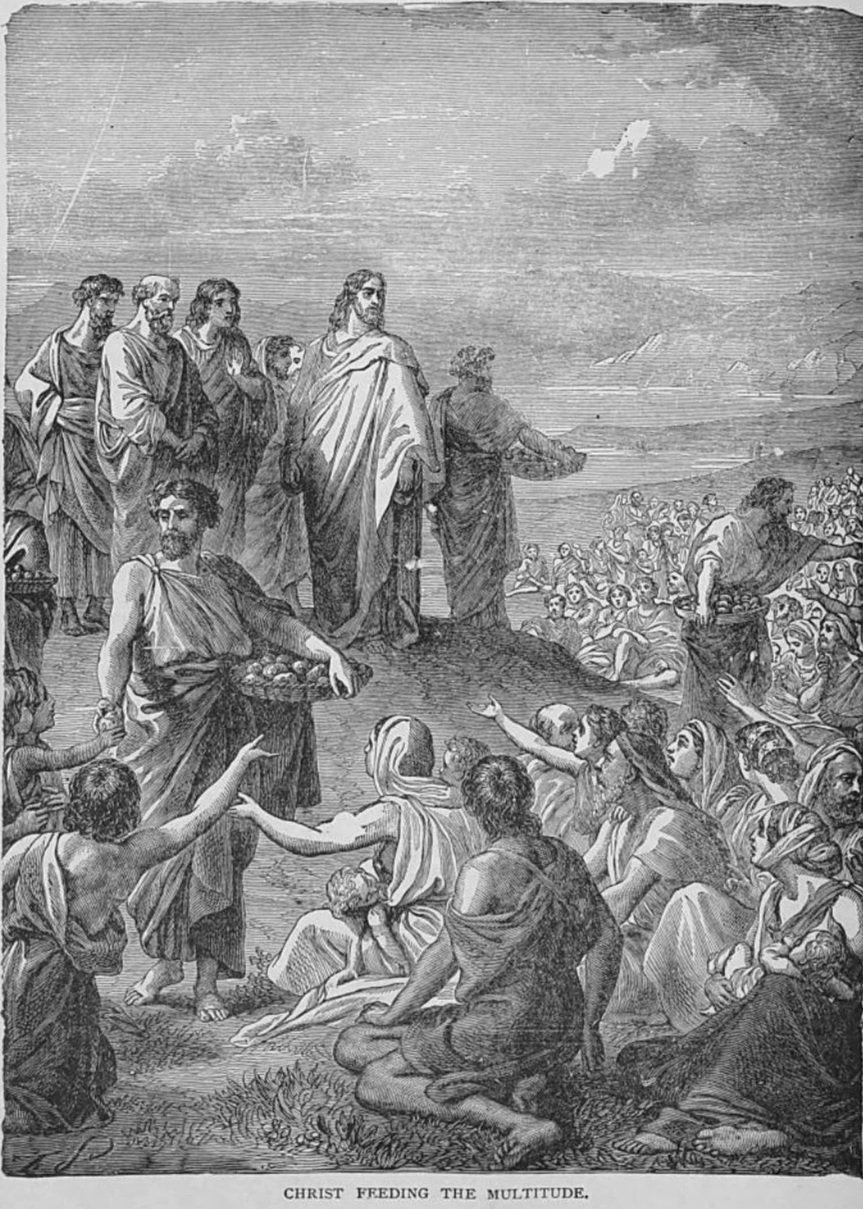
Holiness for the Saints and for You, Revelation 7, Ephesians 1, Matthew 5

As we reflect upon the meaning of All Saints’ Day, we remember that the saints are the holy ones of God. The holiness they have though is not a holiness they create, but one that is given to them by the work of Christ.

Image: Johann König, Public domain, via Wikimedia Commons. File Location":https://commons.wikimedia.org/wiki/File:Johann_Koenig_-_Allerheiligen.jpg

Jesus' Mission for the Church, Matthew 28:16-20

On World Mission Sunday in the Anglican Church in North America, we step back to understand the grand calling upon the church to make disciples of all nations. What does this mean for us? How is it to be accomplished? How do we walk in this reality? Father Jeremiah teaches through the last few verses of Matthew 28 and shows how Jesus is the cornerstone of this grand work given to the church.

Image: Christ Great Commission Icon, photo taken by Ted. Used under license CC BY-SA 2.0 DEED. No changes made. Image location: https://www.flickr.com/photos/frted/6849430658

The Judging King Who Saves, Matthew 25:31-46

When Jesus returns as king he will judge the living and the dead. In Matthew 25, we hear of this judgment as a separation of the sheep and the goats. We see a focus on the actions of the people in their lives, but what we can easily miss is the basis of the sheep’s actions. They are receiving an inheritance, something that can’t be earned. Their deeds are the basis, but the King, Jesus himself, and they are the recipients.

Image: The Graves Open on the Day of Judgment, Engraving by M Heemskerck. Public Domain. Image location: https://www.lookandlearn.com/history-images/YW035018V/The-graves-open-on-the-day-of-judgement

The Messiah and the Lord that Fulfills, Matthew 22:34-46

In this final confrontation with the Pharisees before his trial and crucifixion, Jesus answers a final question about the greatest commandment. He then quickly turns the tables on his questioners with a question about how the Messiah can be both the son of David and his Lord. How are these two moments connected? What does this mean for us who are unable to keep the commandments?

Image: Jesus with the Pharisees, by Jacques Callot, public domain. Image location: https://www.nga.gov/collection/art-object-page.33324.html

For Caesar or for God? Matthew 22:15-22

When Jesus is asked about paying taxes, he carefully turns the tables on his questioners. “Render to Caesar the things that are Caesar’s and to God the things that are God’s.” What do we make of this response? How does it apply to us today? How did Jesus fulfill even this command through his death and resurrection? Father Jeremiah examines Matthew 22:15-22 and helps us to see these things.

Image: Denarius featuring emperor Marcus Aurelius, Rasiel at English Wikipedia, CC BY-SA 3.0 <https://creativecommons.org/licenses/by-sa/3.0>, via Wikimedia Commons location: https://commons.wikimedia.org/wiki/File:Marcus_Aurelius_Denarius2.jpg

The Wedding Feast of Salvation, Matthew 22:1-14, Isaiah 25:1-9

In the Bible, feasting and especially wedding feasts are a sign of the Kingdom of God and salvation being given to God’s people. Jesus reminds us that all has been prepared and accomplished and thus all is a gift for us when we are called to join him. Yet, when we fall, we must not remain speechless before the King, but should respond with confession that we might ever be changed and transformed by the King.

Image: Charlemange at Dinner, Talbot Master, Public domain, via Wikimedia Commons
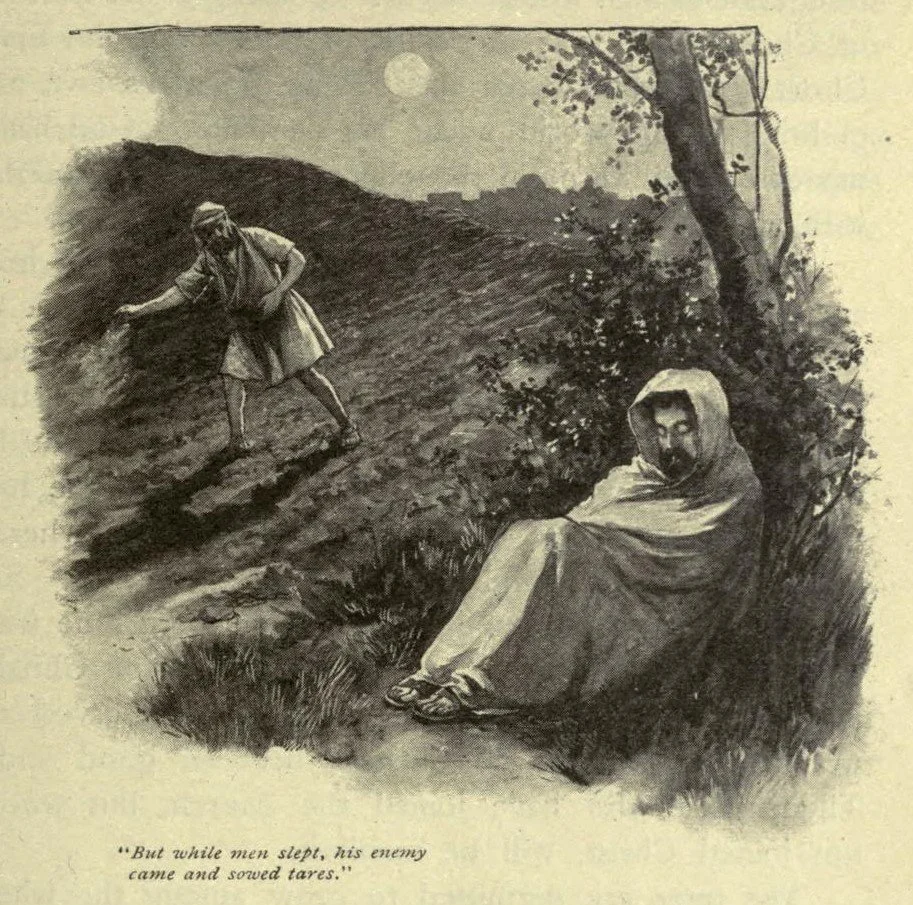
The Fruit of God's Vineyard, Matthew 21:33-44

As we hear the Parable of the Wicked Tenants, our hearts should be drawn to the conclusion in which the wicked are cast out for those who will provide the fruit to the master. We are called to good works by the power of the Holy Spirit, works that the Father has prepared beforehand for us. How do we respond to these called out of us works? Do we resist? Or do we receive the work of the Spirit to enable us to fulfill God’s callings upon us?

Image: The Red Vineyard or Red Vineyard at Arles, Vincent van Gogh, Public domain, via Wikimedia Commons. Image location: https://commons.wikimedia.org/wiki/File:Red_vineyards.jpg

Turning to the Father's Will, Ezekiel 18, Matthew 21.28-32

Jesus’ parable of the Two Sons is a perfect rebuttal to the chief priests and elders refusal to answer Jesus’ question about John the Baptist. They know that he can challenge them on their lack of faith, yet he reminds them that they can turn any time to the Father’s will and believe in the one whom he has sent to bring salvation. That still applies today: Regardless of our having said no to the Father’s will, we can turn back and believe in Christ. And likewise, if we have said we will do the Father’s will and not done it, we can turn around and begin doing it.

Image: The Parable of the Father and His Two Sons in the Vineyard, from The Story of Christ, Georg Pencz, CC0, via Wikimedia Commons
Vineyards and Vocations, Matthew 20:1-16

The Master of the vineyard is free to reward and give to his workers as he pleases. In his freedom to do that, the workers are freed to do their work with no fear of not receiving good things from the master. Likewise for us, we are free to work in our vocations because God has given us the Kingdom and made us partakers of it through Jesus Christ.

Image: Parable of the Workers in the Vineyard, by Meester Van Antwerpan. Public Domain. Image location: https://www.lookandlearn.com/history-images/YR0035483/Parable-of-the-workers-in-the-vineyard

Keeping Score, Matthew 18:21-35

How do we respond to the great generosity of the king in forgiving our infinite debt? Do we extend that kind of forgiveness to those who owe us or do we keep track of every infraction and debt and strive to squeeze it out of others? Are we quick to call out debts of others while wanting them to ignore what we owe to them? How does this kind of life play out for our souls? Bishop Terrell looks at the king’s forgiveness and the reaction of the unforgiving servant to his fellow servant and asks how are we to react when the king forgives us?

image: The King Forgiving His Servant, by Dirck Volckertz Coornhert after Maerten van Heemskerck, National Gallery of Art, CC0, via Wikimedia Commons.

The Watchman Who Gives Rest, Ezekiel 33:1-11, Matthew 18:15-20

Jesus opens our eyes through the Law to our need for him and his work on our behalf that we might be saved from the coming disaster of our sins. Jesus is our watchman that leads us away from condemnation and into redemption, reconciliation, and restoration.

Image: Thomas Dekker, Public domain, via Wikimedia Commons