Deep Desire that leads to a Great Gift, Luke 22:14-30

Fr. Jeremiah Caughran Deep Desire that Leads to a Great Gift, Luke 22.14-30

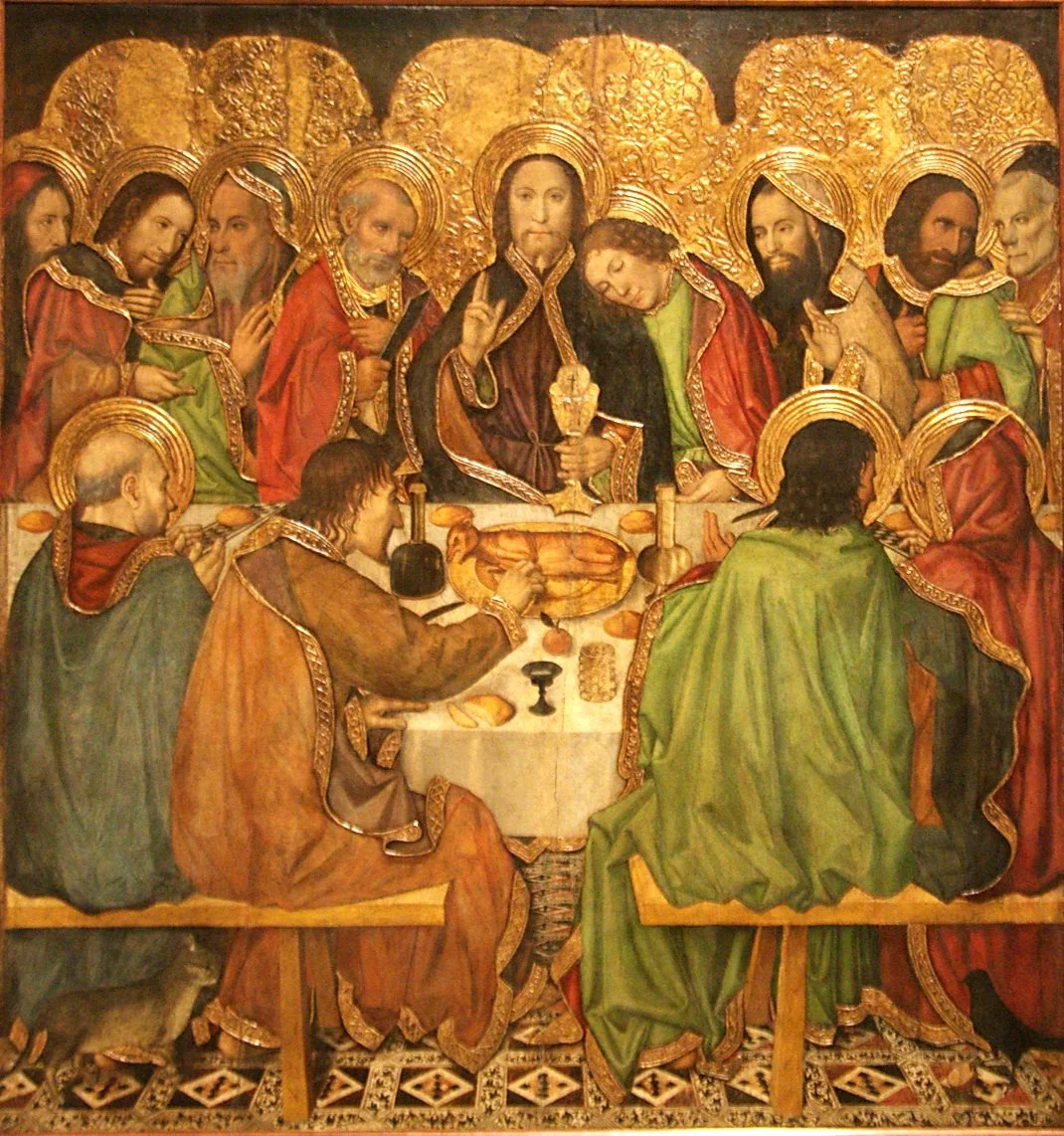
On the night that Jesus would be handed over and betrayed, he instituted the Communion meal. He transformed the Passover Supper into something new that would feed us with the gift of his sacrifice and new life. In fact, Jesus deeply desired to share this Passover with his disciples and through that deep desire offered this great gift of communion to them and to us.

Image: Jaume Huguet, Public domain, via Wikimedia Commons
Raised to be Unbound from Sin, John 11, Ezekiel 37:1-14

Fr. Jeremiah Caughran Raised to be Unbound from Sin, John 11, Ezekiel 37.1-14

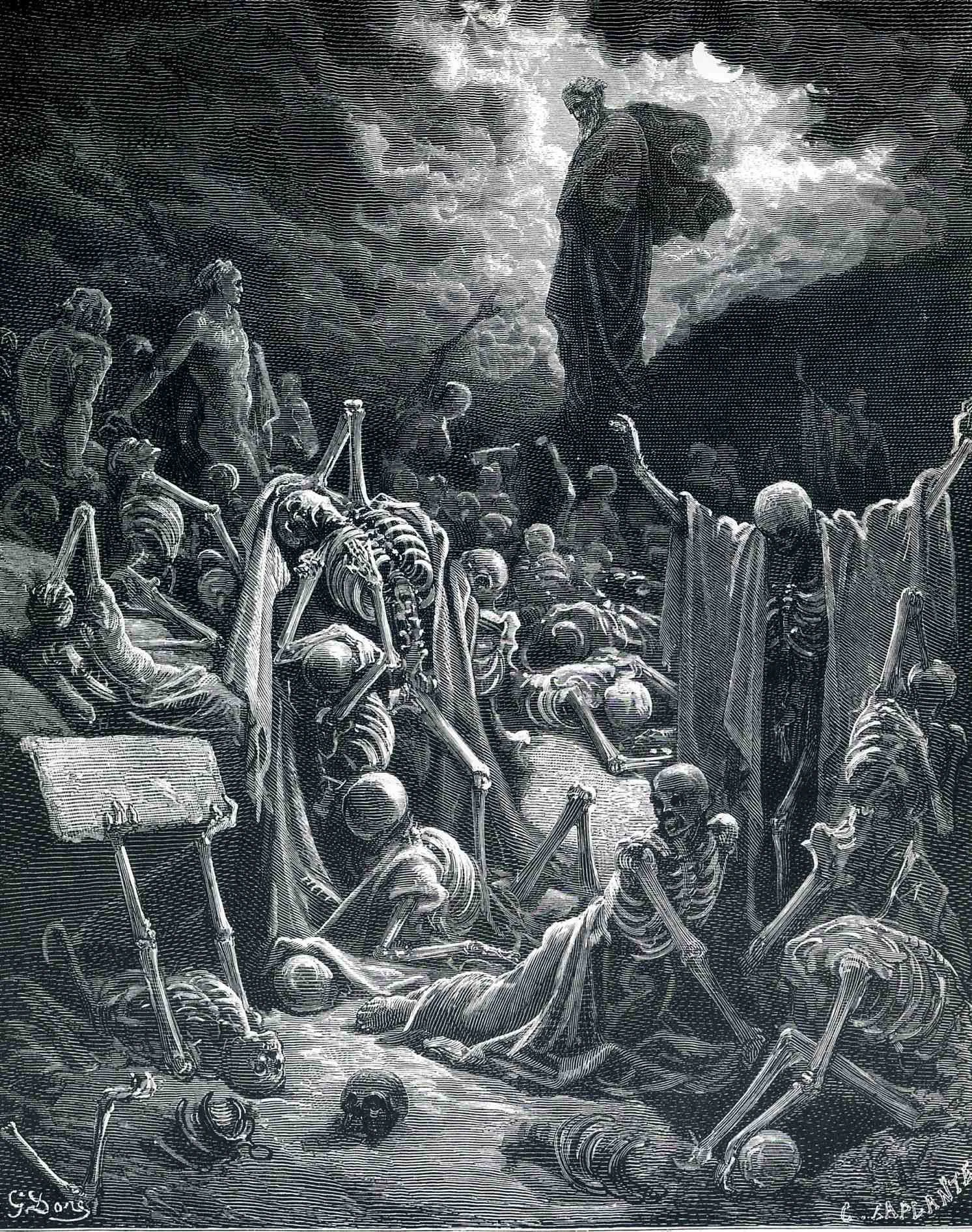
In the raising of Lazarus from the dead, Jesus proclaims that he himself is the resurrection and the life. These things are not abstract promises, but are fully embodied in Jesus himself, which will be completely revealed to all through his death and resurrection into his glorified state. The Valley of Dry Bones becomes an emblem of this reality about Jesus for we all who have trusted in him will likewise be raised to new life from the grave. That life is hidden for now, but will also be revealed to all in the end.

Image: The Vision of the Valley of Dry Bones, Gustave Dore, Public Domain. Image location: https://www.wikiart.org/en/gustave-dore/the-vision-of-the-valley-of-dry-bones-1866

From Blindness to Seeing, John 9, Ephesians 5:1-14

Fr. Jeremiah Caughran From Blindness to Seeing, John 9, Ephesians 5.1-14

When Jesus and his disciples encounter a man born blind, they wonder about the cause of the blindness, but Jesus wants to reveal that this someone that God can work in and he calls them to be about the work of the Father in all that they do.

Image: William Blake, Public domain, via Wikimedia Commons

Submitting Our Desires to Christ, John 4:1-42, Exodus 17:1-17

Fr. Jeremiah Caughran Submitting Our Desires to Christ, John 4.1-42

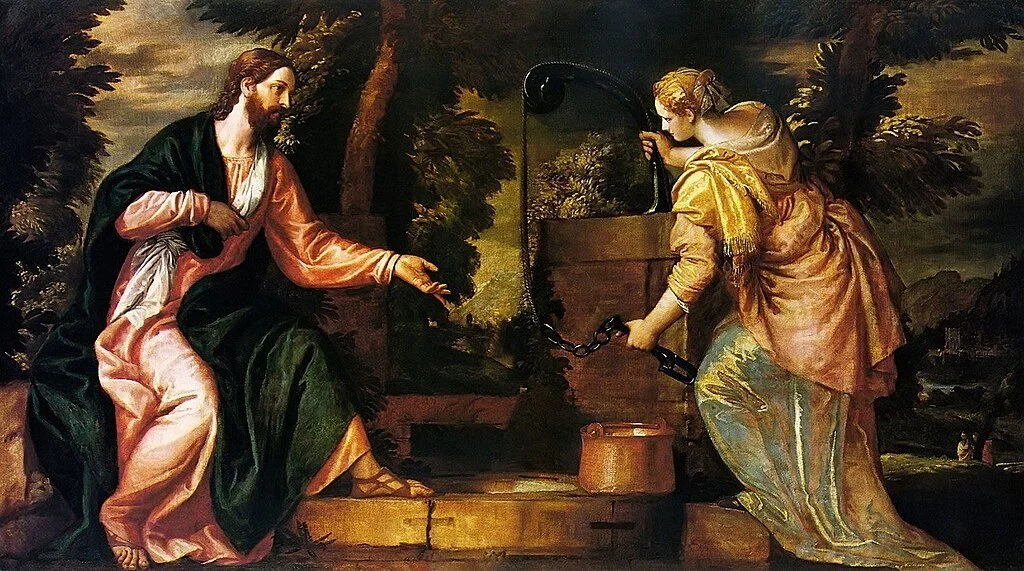
Just after the Israelites left Egypt, they find themselves in the wilderness without water and cry out against Moses as their desire for water becomes overwhelming to them. When Jesus meets the Samaritan woman at the well, he merely asks for water and the conversation leads to a discussion about living water that gives new life. These two passages intersect with regard to submitting out desires to trust in God’s way and his provision. Are you able to wait on God’s mercy to give what you need?

Image: Paolo Veronese, Public domain, via Wikimedia Commons
Christ the Foundation Places Our Focus on Him, John 3:1-16

Fr. Jeremiah Caughran Christ the Foundation Places our Focus on Him, John 3.1-16

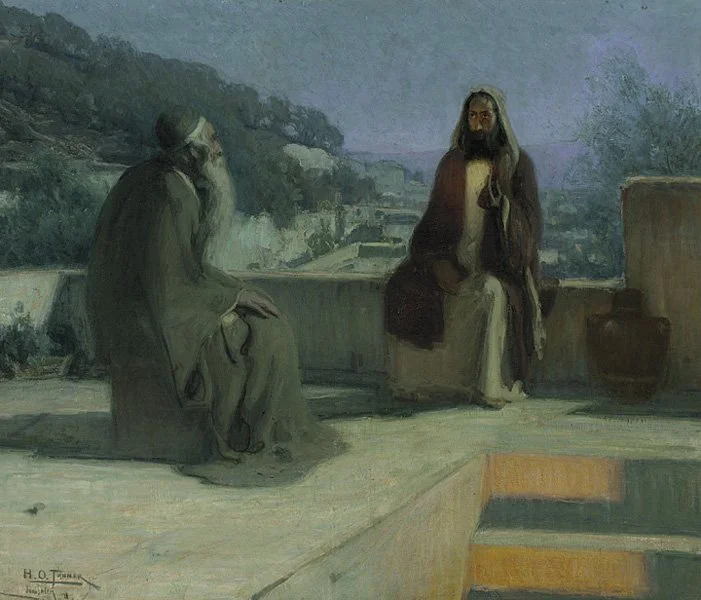
Nicodemus went to speak with Jesus and got more than he was expecting. Jesus points Nicodemus to the reality that it is the Holy Spirit that causes faith that will be founded upon the one lifted up that our eyes might gaze upon him alone for salvation. This remains true to this day. Christ as our foundation means that we can look upon him alone for our salvation.

Image: Henry Ossawa Tanner, Public domain, via Wikimedia Commons
The Remedy for Temptation, Matthew 4:1-11, Romans 5:12-21

Fr. Jeremiah Caughran The Remedy to Temptation and Death, Matthew 4.1-11, Romans 5.12-21

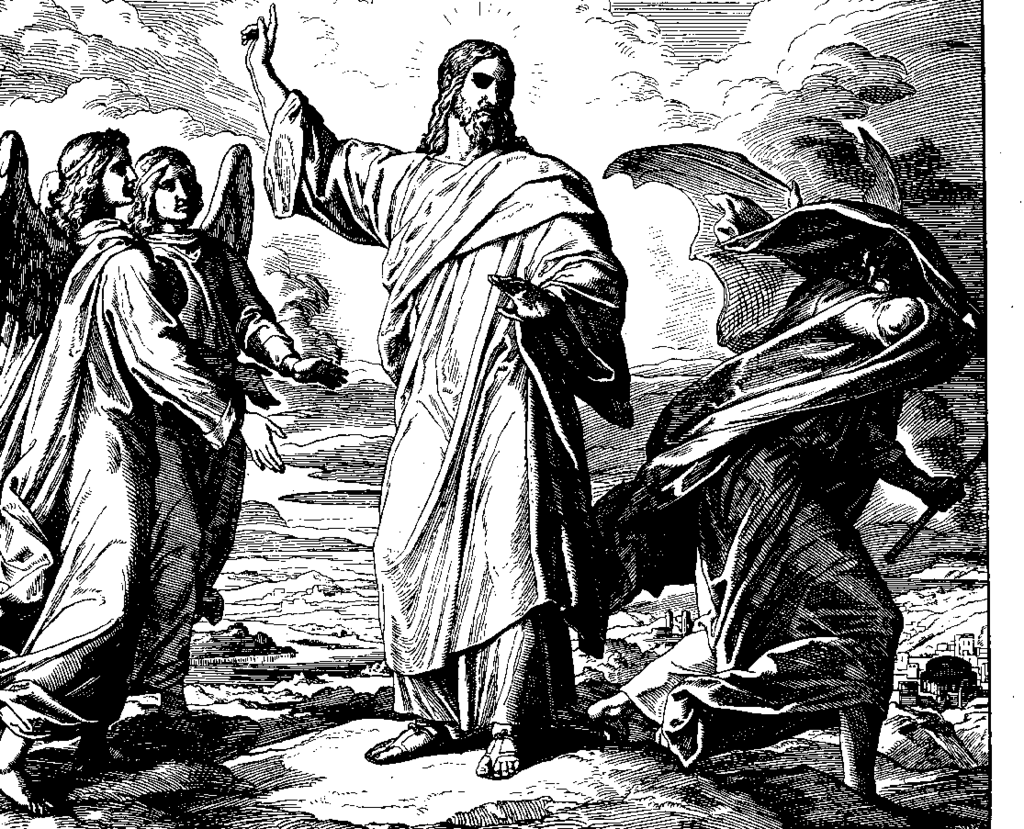
Jesus’ temptation in the desert should not come as a surprise for us. For him to be our substitute and representative, he must undo where Adam failed. In the Garden, Adam gave in to temptation and sinned. In the wilderness, Jesus said ‘No,’ and resisted Satan. He then cast him away from himself. Jesus does this for us that we might have a remedy to temptation and sin and be renewed from the results of our sinfulness.

Image: Julius Schnorr von Carolsfeld, Public domain, via Wikimedia Commons
Jesus' Great Compassion Leads Laborers Forth, Matthew 9:35-38, Acts 1:1-8

Fr. Jeremiah Caughran Jesus' Great Compassion Leads Laborers Forth, Matthew 9.35-38

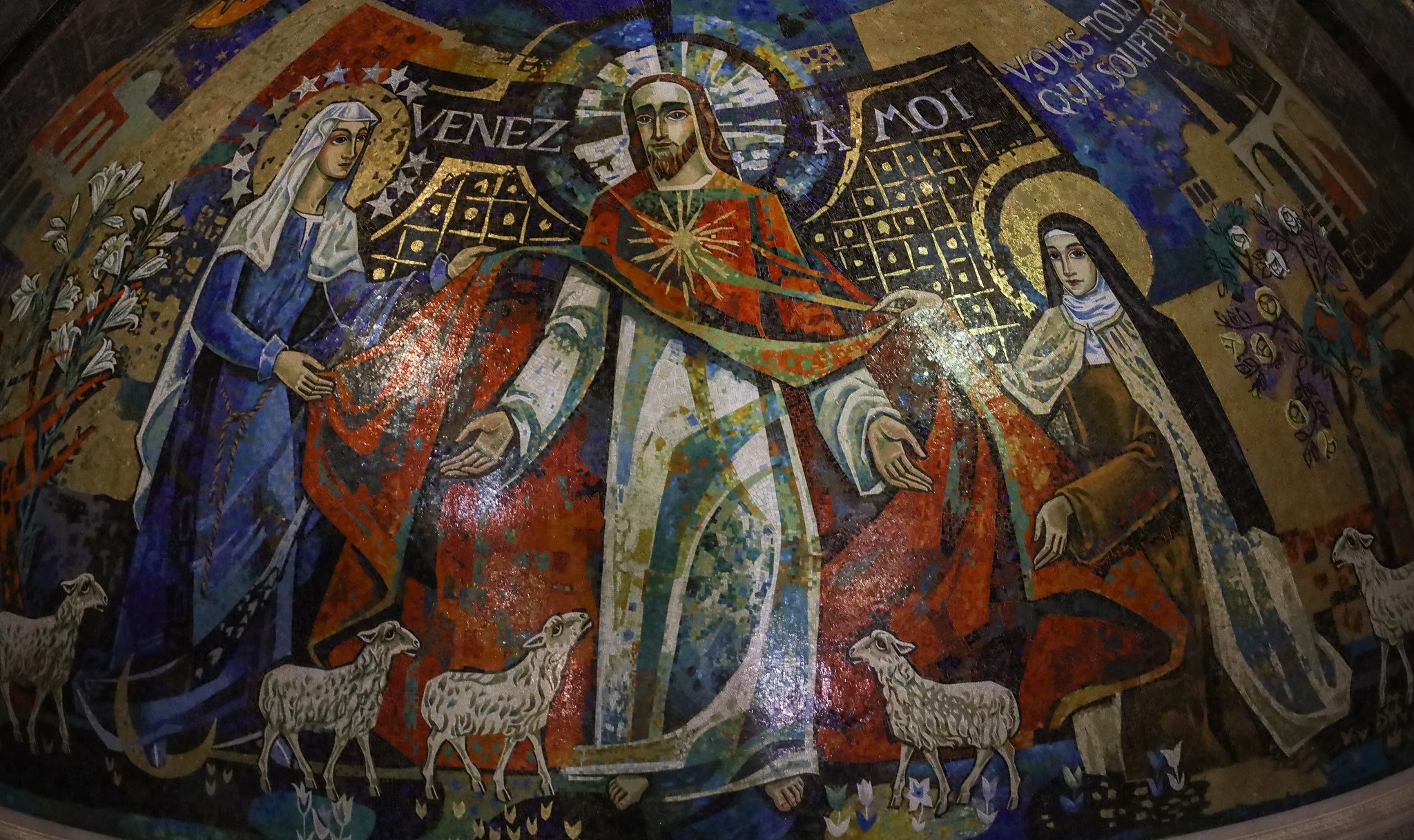
When Jesus is healing and teaching in the Gospel of Matthew, we hear of his looking upon the crowds with compassion and calling upon his disciples to pray for God the Father to raise up laborers to go into this harvest of people who need the Good Shepherd. This passage is part of our readings for World Mission Sunday and reminds us that as we pray for laborers, the Lord can call us into the very work we are praying for.

Image: Sent to Sheep without a Shepherd, picture by Lawrence OP, CC BY-NC-ND 2.0, no changes made. Image location: https://www.flickr.com/photos/paullew/50003858018/

The Foolishness of the Beatitudes, Matthew 5:1-12

Fr. Jeremiah Caughran The Foolishness of the Beatitudes, Matthew 5.1-12

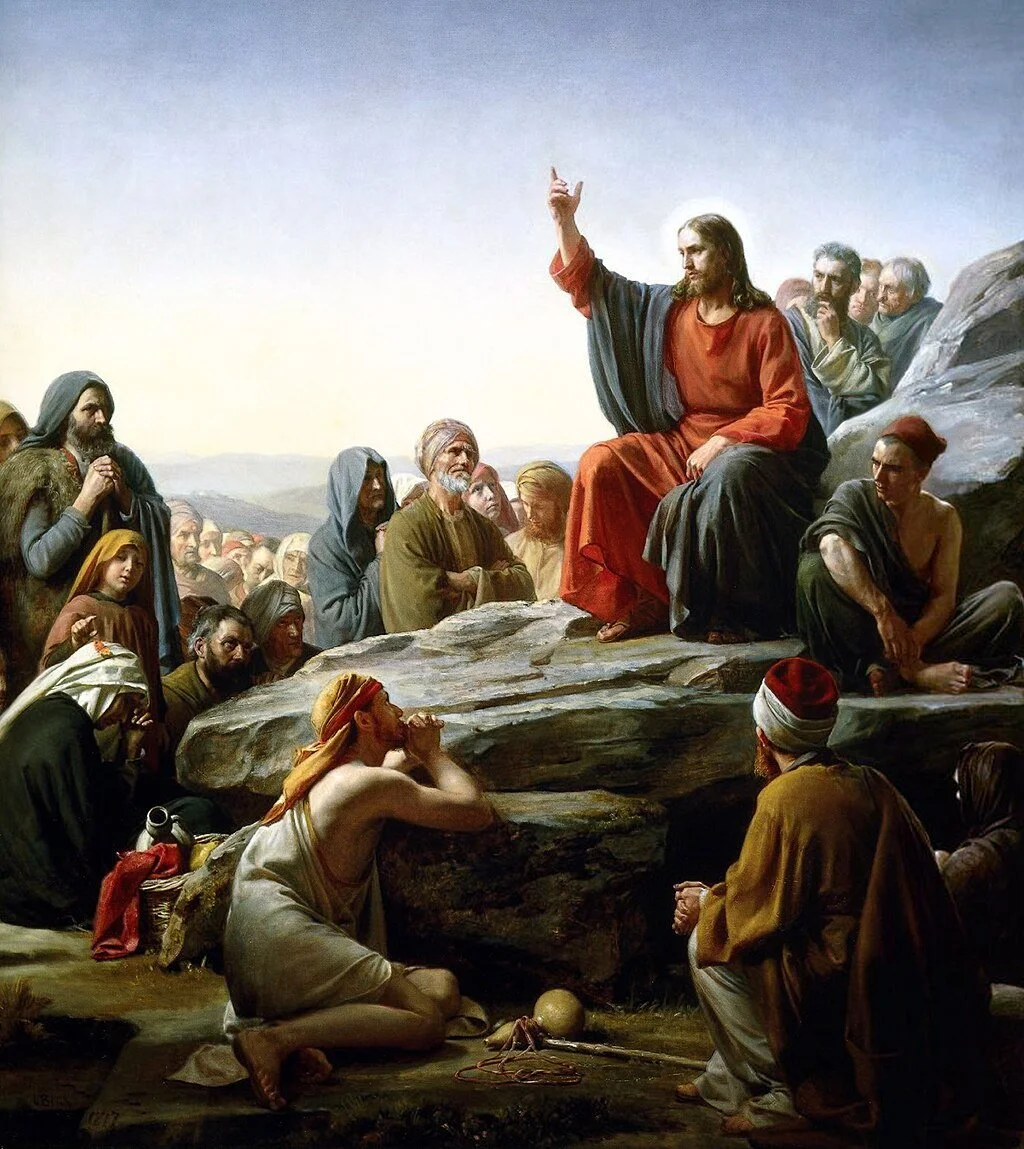
Often when we hear the Beatitudes, we are given a picture of them being a step by step process to becoming holy or as ways that we are supposed to behave or think in order to get God’s blessings. However, they are really something all believers have in Christ because he is the one who has lived a life that reflects them and we get the blessing that was always with Christ!

Image: Carl Bloch, Public domain, via Wikimedia Commons
From Compassion to Repentance to Following, Matthew 4:12-22

Fr. Jeremiah Caughran From Compassion to Repentance to Following, Matthew 4:12-22

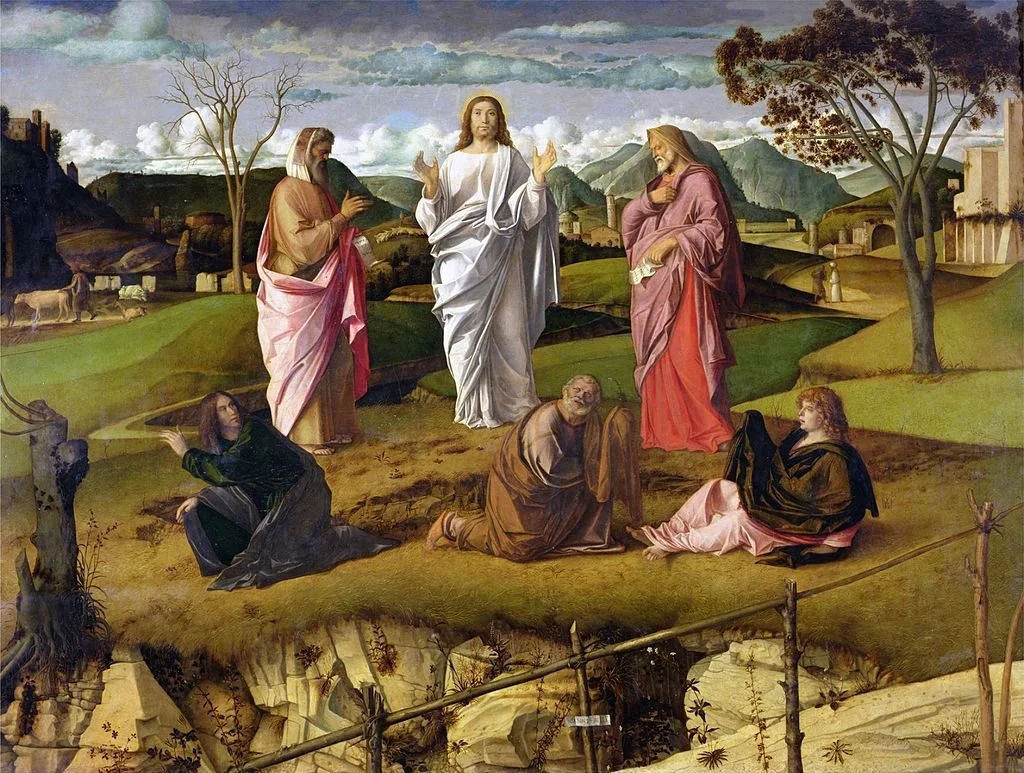
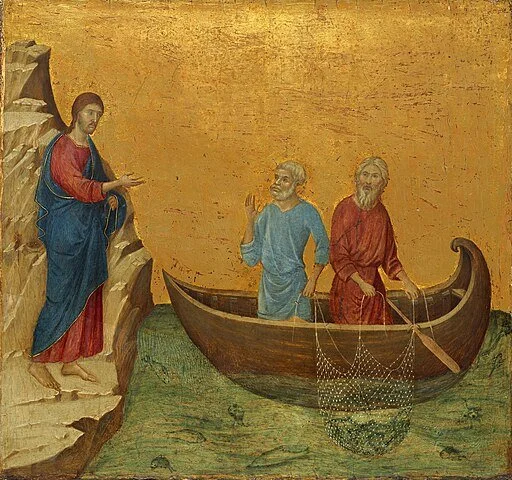
When Jesus begins his public ministry, he starts in the town of Capernaum after John the Baptist has been arrested. Why start here? Is there something unique about this place? How does Matthew’s reference to Isaiah 9 help us? Father Jeremiah walks us through this amazing moment in his sermon today.

Image: Duccio di Buoninsegna, Public domain, via Wikimedia Commons.

Your Baptism Matters Because of Jesus, Matthew 3:13-17

Fr. Jeremiah Caughran Your Baptism Matters Because of Jesus, Matthew 3.13-17

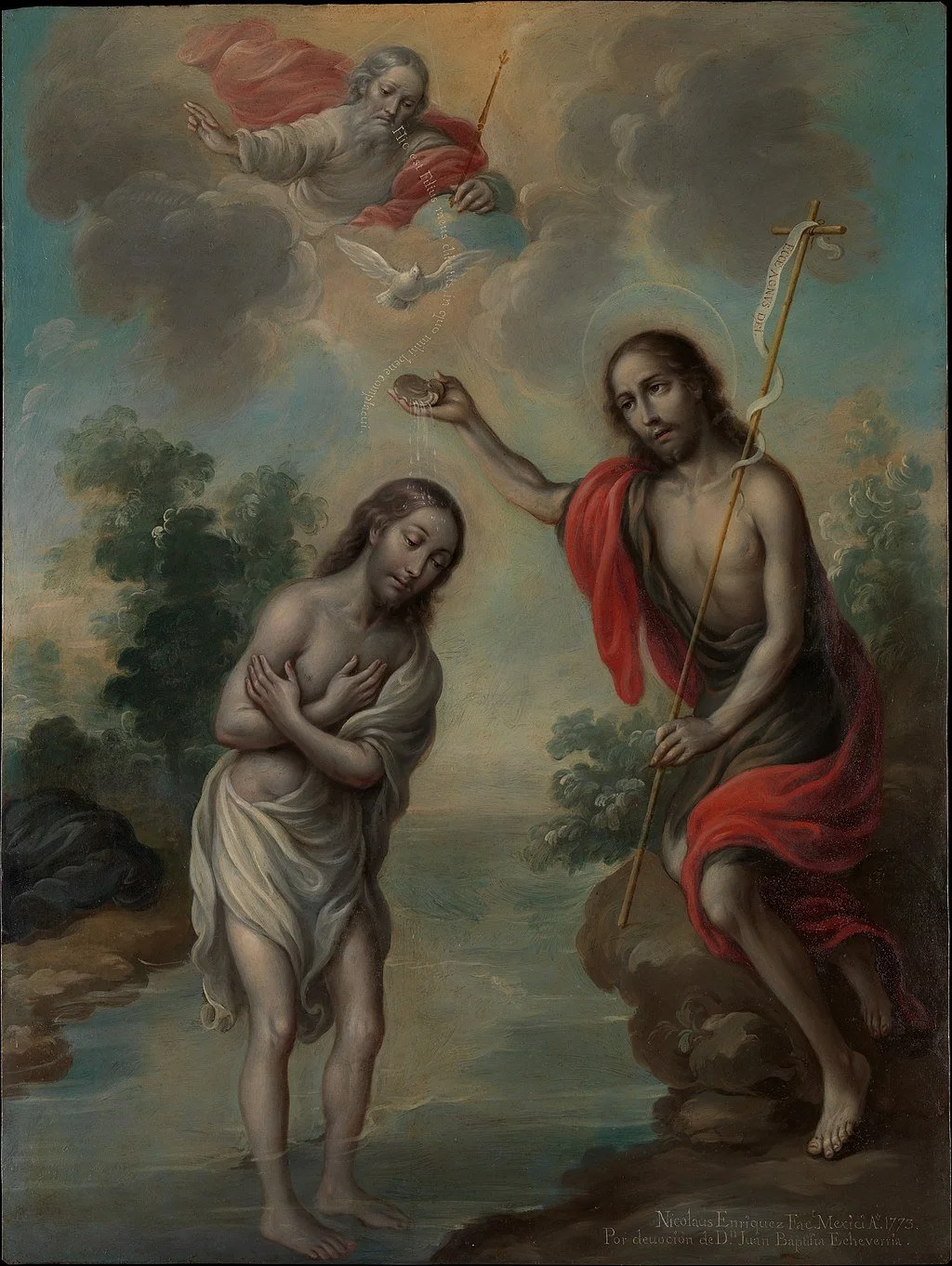
When Jesus was baptized by John in the Jordan River, he changed the meaning and the blessings of John’s baptism. As we are baptized into Christ, we receive the blessings of him being our representative and our substitute. Through that union with him, we receive life and salvation from the Father because the Spirit of God comes to be with us and we are adopted. We can now rejoice in the goodness and mercy of God the Father because Jesus was baptized and transformed baptism to be a gift and blessing to us.

Image: The Baptism of Christ, Nicolás Enríquez, CC0, via Wikimedia Commons

All the Blessings in Christ, Ephesians 1:3-14, Luke 2:41-52

Fr. Jeremiah Caughran All the Blessings In Christ, Ephesians 1.3-14, Luke 2.41-52

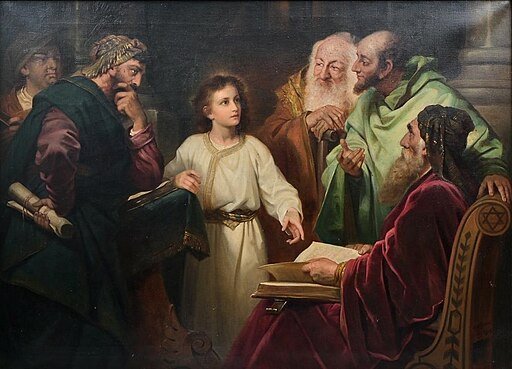
In Ephesians 1, we hear from St. Paul of various spiritual blessings that are bestowed upon us through our union with Christ. Even the Holy Spirit himself is given to us on account of who Jesus is! Alongside that we hear of Jesus being in the Temple when he was twelve years old and amazing the teachers there of his understanding. What have these two things to do with each other? It all turns on the reality that all that Christ did is gifted to us that we might stand before the Father in Christ himself.

Image: Christ in the Temple, Heinrich Hofmann, Public domain, via Wikimedia Commons. Photo taken by Elke Walford.

Why Do the Angels Sing?

Fr. Jeremiah Caughran Why Do The Angels Sing_

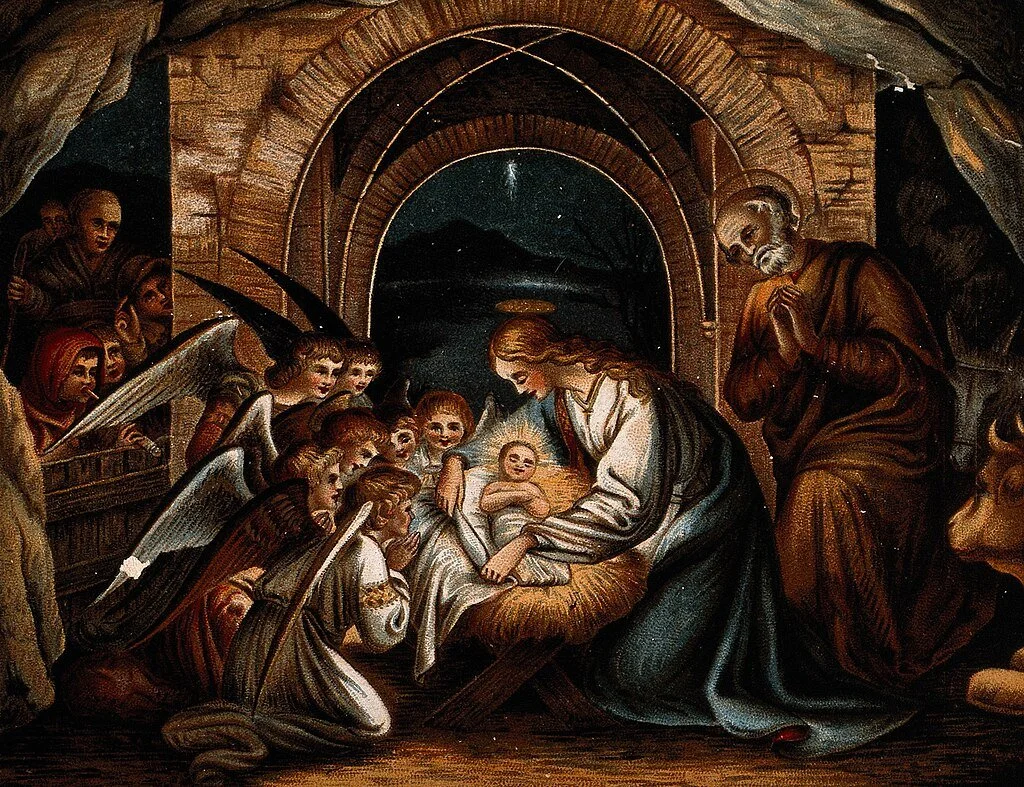
One of the greatest hymns for Christmas is Hark the Herald Angels Sing. In this hymn, Charles Wesley reminds us of the heavenly reality of where Jesus comes from, that he is God incarnate for us and that through him, our sin nature can be overcome. This beautiful hymn is the basis of Father Jeremiah’s sermon for the First Sunday of Christmas.

Image: See page for author, CC BY 4.0 <https://creativecommons.org/licenses/by/4.0>, via Wikimedia Commons

Born to Make Us Heirs, Titus 3:4-7

Fr. Jeremiah Caughran Born to Make Us Heirs, Titus 3.4-7

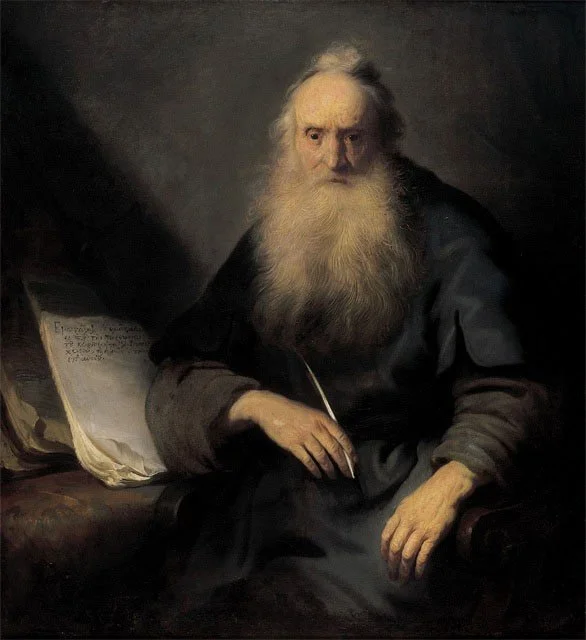
Through the birth of Christ, we have become heirs by baptism and faith in the promises of God. St. Paul reveals this reality to us through his writing to St. Titus.

Image: St. Paul writing to the Thessalonians, by Jan Lievans, Public Domain. Image location: https://www.wikiart.org/en/jan-lievens/st-paul-writing-to-the-thessalonians

Quiet Faithfulness in Our Work, Matthew 1:18-25

Fr. Jeremiah Caughran Quiet Faithfulness in Our Work, Matthew 1.18-25

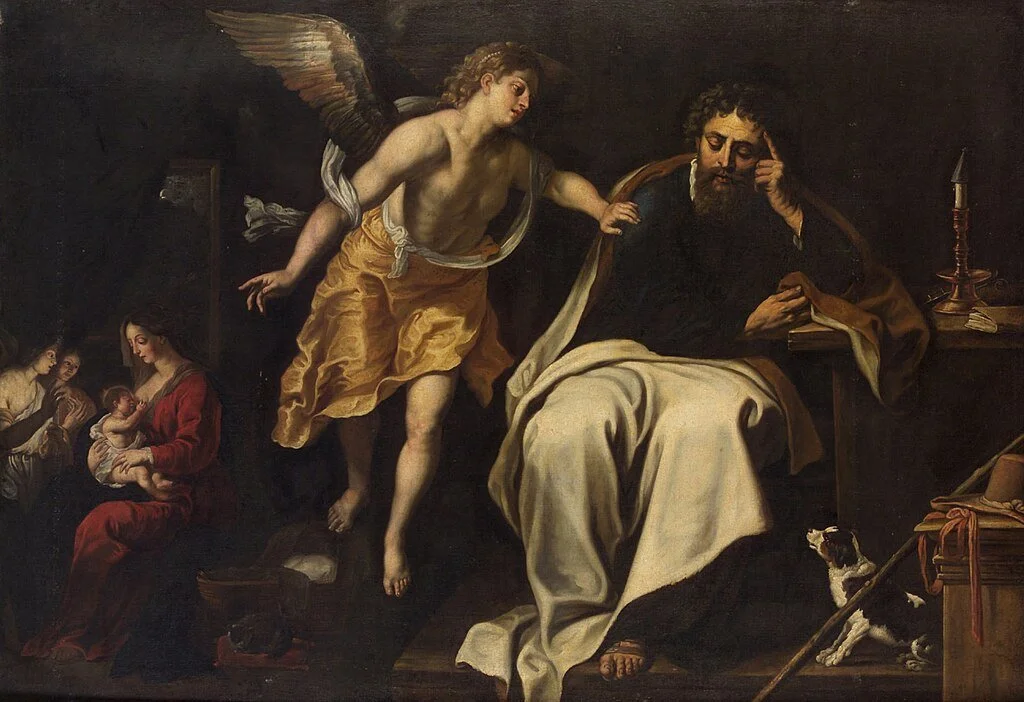
We don’t always think about St. Joseph very deeply at Christmas. Yet, he is an important part of the whole story. He was called by God the Father to raise Jesus as his son and to take care of him and Mary throughout his days. And then he vanishes from the text. His faithfulness was quietly executed and completed. What do we make of this? What can we do to reflect this kind of faithfulness?

Image: Gerard Seghers, Public domain, via Wikimedia Commons
Patience that Leads to Joy, Matthew 11, Isaiah 35, James 5

Fr. Jeremiah Caughran Patience that Leads to Joy, Matthew 11, Isaiah 35, James 5

John the Baptist sends his disciples to ask Jesus if he is the one to come. John has found himself imprisoned while pursing obedience to the Lord. He has also wanted his disciples to leave him and follow Jesus. What are we to make of John’s question? Is he question Jesus’ messiahship? Or is he wanting his own disciples to hear from Jesus’ lips what he is doing? Either way, we are given encouragement to know the work of the Lord and how he continues to work in our own lives to change and renew us while we await his coming.

Image: The Beheading of St. John the Baptist, Pierre Puvis de Chavannes, Public domain, via Wikimedia Commons
Repent for the Coming King, Isaiah 11, Matthew 3, Romans 15

Fr. Jeremiah Caughran Repenting for the Coming King, Is. 11, Matthew 3, Romans 15

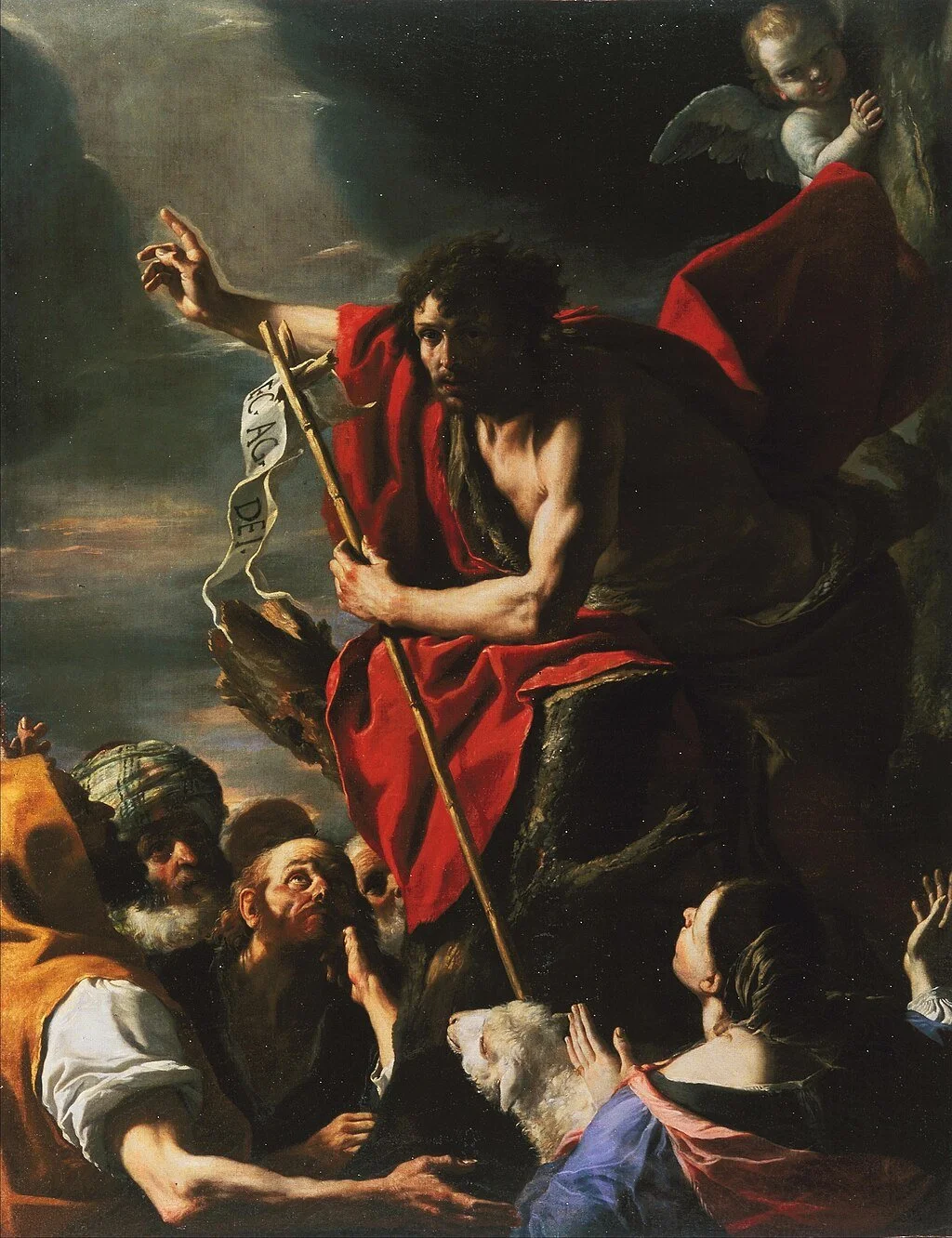
When John the Baptist went out preaching repentance and baptism, even Pharisees and Sadducees took notice. They came out to hear him and to be baptized. But he called them out calling them a brood of vipers and wanting to know who warned them to flee the wrath to come! Many think that John is utterly rejecting them, but he is making sure they understand what they are doing. They think they are righteous, so why would they need repentance? But if they need repentance, then they are not really righteous! We need to be wary ourselves of thinking we are good to go in this life and must continually return to this call of repentance and need to bear fruit that reflects our repentance.

Image: St. John the Baptist Preaching, Mattia Preti, Public domain, via Wikimedia Commons
Waiting On Advent, Isaiah 2, Matthew 24, Romans 13

Fr. Jeremiah Caughran Waiting on Advent, Isaiah 2, Matthew 24, Romans 13

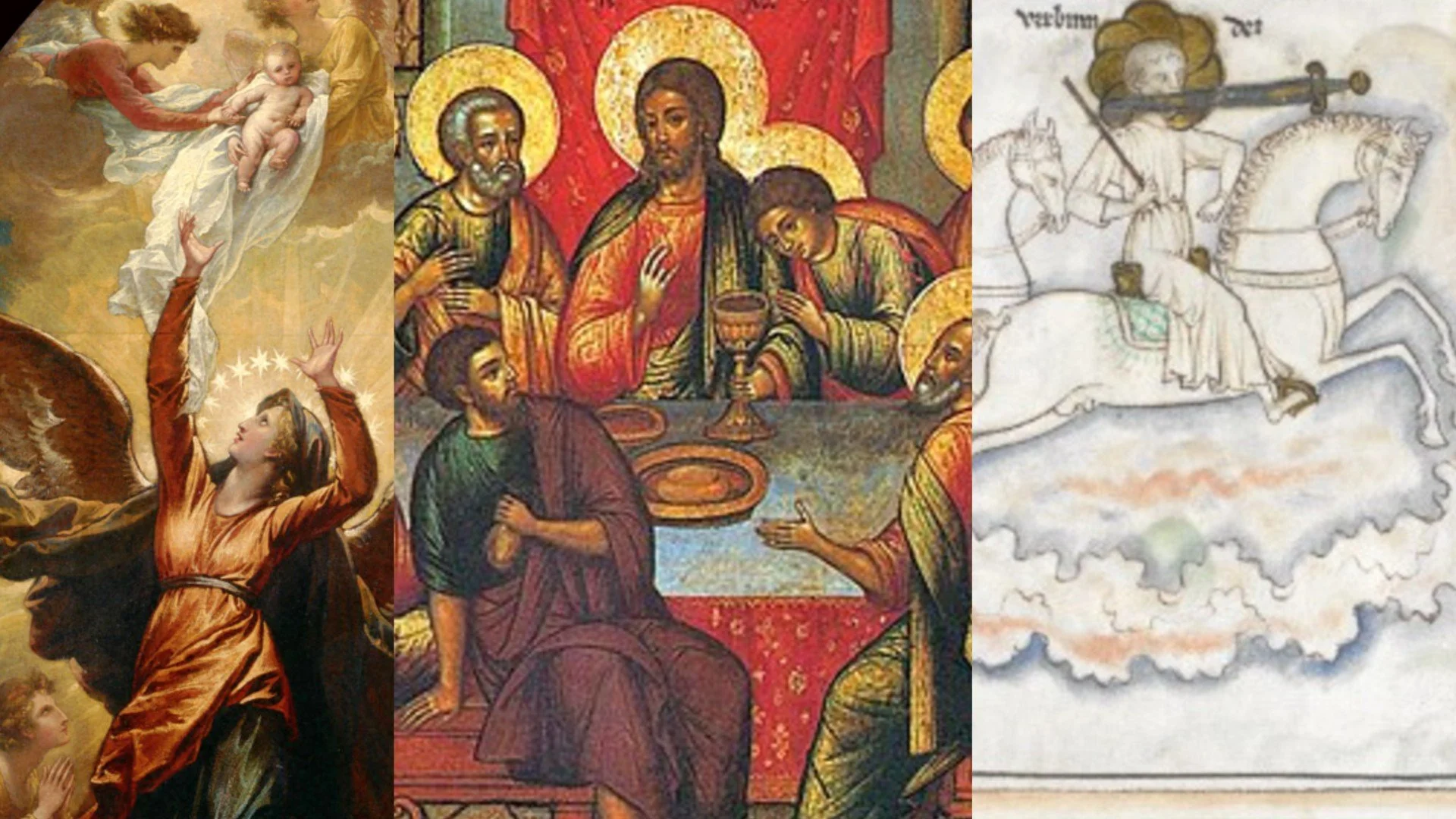
As we enter this time of Advent, we are reminded that we are called to wait on Christ during this season. We are to turn with repentant hearts toward preparing for his coming at Christmas, in the future, and even now through Word and Sacrament. Christ comes to us continually to make us ready to receive him and celebrate his birth and to continue to await his return when he brings about the resurrection of the dead.

Image: Combination of images taken from Wikipedia, all in the public domain. They can be found at the following links:

https://commons.wikimedia.org/wiki/File:Simon_ushakov_last_supper_1685.jpg
https://commons.wikimedia.org/wiki/File:Apocalypse_-_BL_Add_MS_35166_f023v.jpg
https://commons.wikimedia.org/wiki/File:1797,_West,_Benjamin,_The_Woman_Clothed_with_the_Sun_Fleeth_from_the_Persecution_of_the_Dragon.png

Where History is Headed, Matthew 25.31-46

Bishop Terrell Glenn Where History is Headed, Matthew 25.31-46

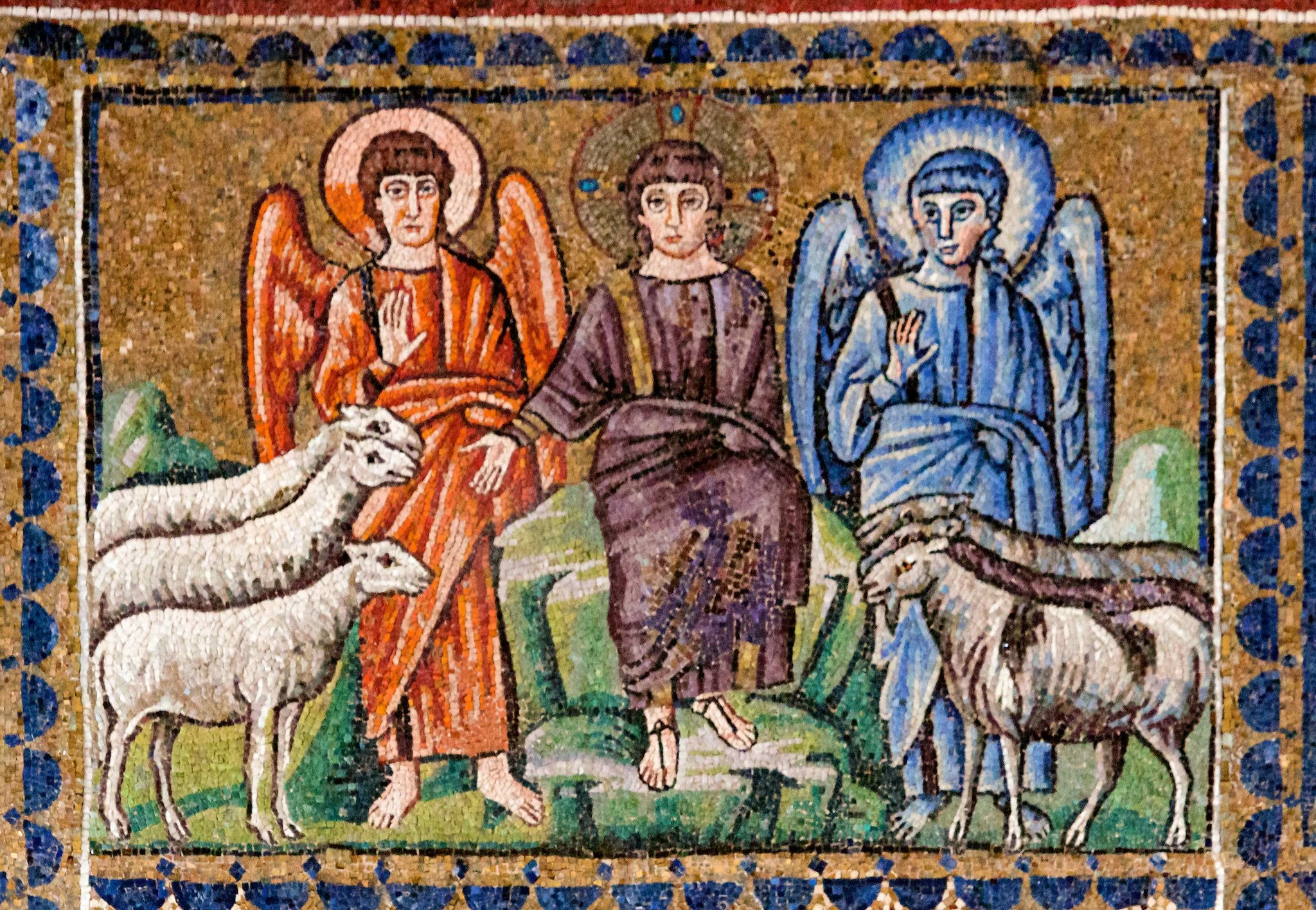
In this picture of the Last Judgment, Jesus speaks to those who served him in the least of his brothers and those who didn’t. What does this reveal about judgment? What does this reveal about how closely we identify with Jesus?

Image: Last Judgment (Ravenna), photo by Jim Forest, no changes made, CC BY-NC-ND 2.0. Image location: https://www.flickr.com/photos/jimforest/6052391843