The Joy of Forgiveness, Psalm 32

The Joy of Forgiveness, Psalm 32
Andrew Hane
397px-Study_of_King_David,_by_Julia_Margaret_Cameron.jpg

This Sunday, Andrew Hane, a student at Reformed Theological Seminary, Charlotte, NC, preached on the forgiveness that comes to us through Christ. He looked at Psalm 32 and David's words in light of his sin with Bathsheba and the coverup that he attempted before coming under the conviction of the Holy Spirit and returning back to God.


Image: Study of King David, by Julia Margeret Cameron, depicts Sir Henry Taylor, 1866, Public Domain.

Forgiven to Forgive, Matthew 18.21-25

Forgiven To Forgive, Matt. 18.21-35
Fr. Jeremiah Caughran
The_unforgiving_servant.jpg

When Peter asks Jesus about how many times one should forgive, Jesus tells him that we should always forgive. How does this work in our lives? How do we extend forgiveness to those who refuse to see their own sin? What can we do when we find it impossible to forgive? Hear Father Jeremiah walk through this passage and apply it to life.


Image: The Unforgiving Servant, public domain.

Confrontation for Repentance, Matthew 18:15-20

Confrontation for Repentance, Matt. 18.15-20
Fr. Jeremiah Caughran
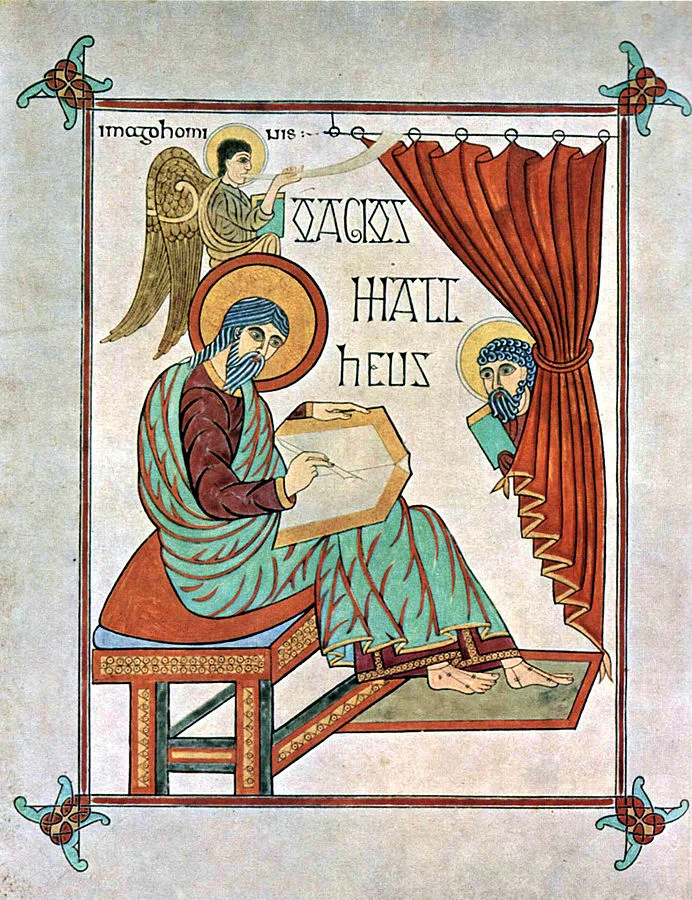
692px-Meister_des_Book_of_Lindisfarne_001.jpg

In Matthew 18:15-20, Jesus speaks about reconciling oneself with a fellow believer who has sinned against you. This passage is the basis for our understanding of church discipline. Yet, it begins first with the pursuit of private reconciliation, a coming together of the wronged and the one who wronged. The purpose is that of repentance and life in the kingdom. As we come to understand this, we can find healing in our own personal relationships and be freed from the bitterness that can come when we are sinned against.


Image credit: By Meister des Book of Lindisfarne - The Yorck Project: 10.000 Meisterwerke der Malerei. DVD-ROM, 2002. ISBN 3936122202. Distributed by DIRECTMEDIA Publishing GmbH., Public Domain, https://commons.wikimedia.org/w/index.php?curid=155233

The Acts of God in Baptism

3404685668_ac20f457ec_z.jpg
The Acts Of God In Baptism
Fr. Jeremiah Caughran

What is happening when we baptize someone? Is it merely water poured over the person, or is there something deeper? In this sermon, Fr. Jeremiah reflects on how Anglicans understand baptism, reminding us that it is God is the primary actor, not man. This isn't about an act of obedience, but about a God who graciously claims us through the act of baptism for the sake of what Jesus has done for us through the cross. Listen to find out more!

Image attribution: Posted by WELS net at https://www.flickr.com/photos/welsnet/3404685668/in/photostream/. No changes made to image. Used according to Creative Commons license CC BY-NC 2.0 (https://creativecommons.org/licenses/by-nc/2.0/)

Feeding the 5000, Matthew 14.13-21

Feeding The 5000, Matt 14.13-21
Fr. Jeremiah Caughran

Jesus fed the 5000 because they were hungry and in need. What does this reveal about who Jesus is and how does that affect us? How is the Gospel fully revealed through this simple narrative? Listen to hear this and more!

Image: © José Luiz Bernardes Ribeiro / , via Wikimedia Commons, licensed under Creative Commons Attribution-Share Alike 4.0 International

Christ and His Kingdom, Matthew 13.31-33, 44-51

Christ And His Kingdom, Matt. 13.31-33, 44-51
Fr. Jeremiah Caughran

In our Gospel reading today, there were five parables of the kingdom. They neatly broke into three sets, each set considering one aspect of the Kingdom of Heaven. All of these parables direct our thoughts to the fact that Jesus is the center of the Kingdom, he is the foundation upon which all else is built.


Image:Rembrandt [Public domain or Public domain], via Wikimedia Commons

Weeds Amongst Wheat, Matthew 13.24-30, 36-43

Weeds Amongst Wheat, Matt 13.24-30, 36-43
Fr. Jeremiah Caughran

When there are weeds growing amongst the wheat, what are we to do? Do we look to our Master and ask him? Or do we just plunge forward and attempt to remove them ourselves? What does the Master tell his servants to do? Wait until the harvest and then the reapers will deal with the weeds. Until them, let them grow and interact. What does that mean for us as we traverse this world?


Image by ㇹヮィㇳ (Ears of wheat) [CC BY 2.0 (http://creativecommons.org/licenses/by/2.0)], via Wikimedia Commons

Seed and Soil, Matthew 13.1-9, 18-23

Seed And Soil, Matt 13.1-9,18-23
Fr. Jeremiah Caughran

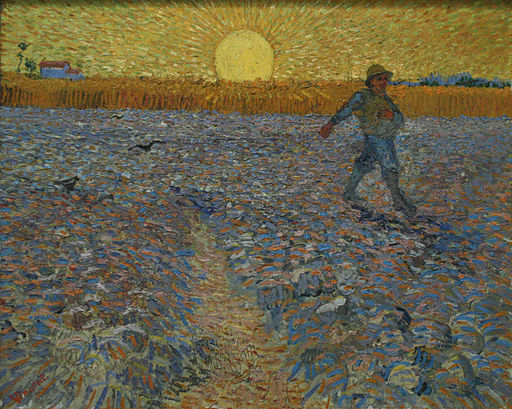
Jesus told a parable about a sower going out to sow some seed. He tells us that the meaning of the seed is that it is the Word of God. How is seed like the Word of God? One way that they are the same is that the seed is intended to grow just as the Word is effective and does its work. Listen to find out more!


Image: Vincent van Gogh [Public domain], via Wikimedia Commons

Weary One, Come, Matthew 11.25-30

Weary One, Come, Matt. 11.25-30
Fr. Jeremiah Caughran

Jesus calls those who are weary and heavy laden to himself. He reveals himself to those who are like this because these people know that they cannot get through this life without His help. Will you come to him and take his yoke?

By Cgoodwin (Own work) [GFDL (http://www.gnu.org/copyleft/fdl.html) or CC BY-SA 4.0-3.0-2.5-2.0-1.0 (http://creativecommons.org/licenses/by-sa/4.0-3.0-2.5-2.0-1.0)], via Wikimedia Commons

By Cgoodwin (Own work) [GFDL (http://www.gnu.org/copyleft/fdl.html) or CC BY-SA 4.0-3.0-2.5-2.0-1.0 (http://creativecommons.org/licenses/by-sa/4.0-3.0-2.5-2.0-1.0)], via Wikimedia Commons